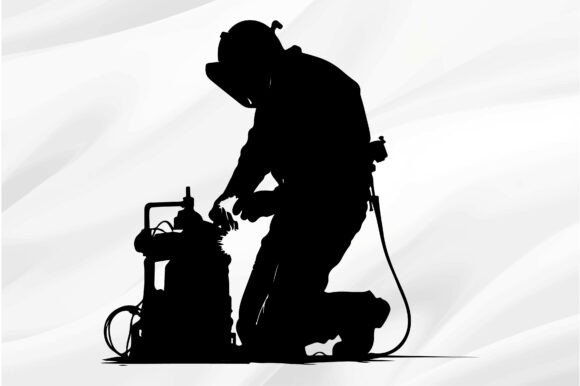
Welder Silhouette Vector Embroidery Review
As a designer who spends more time staring at stitch patterns than sleeping, I have learned to trust my gut before I ever load a file into the machine. There is a specific kind of satisfaction in seeing a digital vector transform into a tactile, textured reality on fabric. Today, I am evaluating the Welder Silhouette Vector, a graphic that promises strong visual impact for crafters and small business owners alike. This isn't just about whether the design looks good on a screen; it is about how it performs under the needle, how it holds up after washing, and whether it adds enough value to justify the time and materials invested.
The First Impression: Bold Lines and Industrial Charm
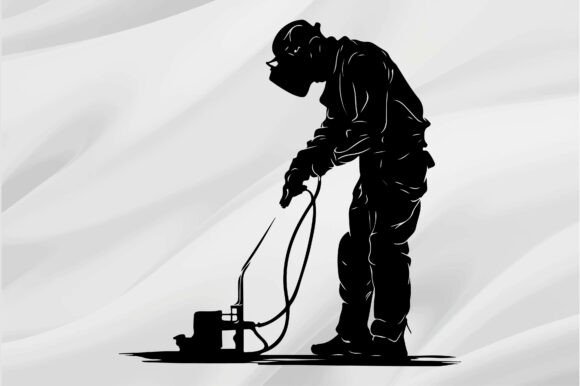
When you first pull up the Welder Silhouette Vector, the immediate takeaway is its clarity. In the world of embroidery, complexity can be a double-edged sword. Too much detail gets lost in the thread; too little looks flat. This silhouette strikes a confident middle ground. The shape is distinct, relying on strong negative space and clean lines rather than intricate shading. It evokes a mood of rugged professionalism and industrial pride, making it an excellent candidate for custom apparel or personalized gifts for tradespeople.
The visual personality here is straightforward. It does not try to be cute or overly decorative. Instead, it commands attention through form. For an Etsy seller or a maker looking to create craft business merchandise, this design offers a versatile anchor. It feels at home on heavy-duty fabrics like denim or canvas, where its bold nature can truly shine without getting swallowed by the texture of the material.
Real-World Application: From Screen to Stitch
Let’s talk about practical use. Imagine you are preparing a batch of holiday gifts for local firefighters or welders. You want something that feels personal but also durable. The Welder Silhouette Vector works beautifully as an embroidered patch or a direct chest print on a high-quality sweatshirt. Because the design relies on solid shapes, it translates well into fill stitch techniques, creating a dense, durable surface that resists fraying and wear.
I also see potential in tote bag design projects. A sturdy canvas tote featuring this silhouette, perhaps paired with minimal text, creates a professional look that appeals to trade professionals who want to carry their tools in style. The contrast between the dark threads of the silhouette and the natural color of the canvas would be striking. Similarly, for apron embroidery, this design adds a touch of identity to what might otherwise be a plain utility item. It transforms a kitchen towel or work apron into a statement piece.
However, the design’s strength lies in its simplicity. It is not designed for delicate nursery decor or fine baby embroidery unless scaled appropriately. Its industrial vibe fits best with small shop product lines targeting adults, particularly those in blue-collar professions or DIY communities. When used in commercial embroidery contexts, such as corporate branding for welding schools or safety equipment suppliers, it communicates reliability and skill.
Where Caution Is Required
No design is perfect for every scenario, and the Welder Silhouette Vector has its limitations. One area to watch closely is hoop size. If you attempt to digitize or embroider this on a very small hoop, the proportions may shift, or critical details might become too cramped. Always check the hoop size requirements before committing to a final run. Small details, if any exist within the vector’s contours, can easily get lost in the stitching process, especially if the stitch density is too high.
Fabric choice is equally critical. While this design loves heavy cottons and denims, it struggles on stretchy fabrics like thin jersey knits or slippery synthetics. Without proper stabilization, the tension can pucker the fabric, ruining the clean lines of the silhouette. On dark fabrics, you will need to choose your thread colors carefully. A black-on-black approach might look sleek but could lack visibility, while a bright white or metallic thread can pop beautifully against navy or charcoal backgrounds.
Additionally, avoid placing this design on curved surfaces like caps unless you have significant experience with cap hoops. The curvature can distort the straight lines of the welder figure, making it look slanted or warped. For beginners, sticking to flat surfaces like tote bags, pillow covers, or flat-lay garments is the safest route to ensure a polished finished product.
Designer Notes for Optimal Results
To get the most out of this embroidery file, I recommend starting with a test run on scrap fabric. This allows you to evaluate the stitch density and adjust thread tensions if necessary. Before you begin, inspect the design in black and white mockups to ensure the contrast levels will work with your chosen thread palette. If the design includes any satin stitch elements around the edges, verify that they are tight enough to prevent fabric show-through but loose enough to avoid bulkiness.
Using the right stabilizer is non-negotiable. For woven fabrics like canvas or denim, a cut-away stabilizer provides the best long-term stability, ensuring the embroidery does not distort over time. For lighter fabrics, a tear-away might suffice for temporary projects, but washability should always be considered. If the final item will undergo frequent laundering, a robust stabilization method is essential to maintain the integrity of the machine embroidery design.
Consider the end-use when selecting thread colors. Metallic threads can add a premium feel to the silhouette, elevating it from a simple graphic to a luxury item suitable for high-end giftability. However, metallics can be temperamental on some machines, so test them thoroughly. Also, think about the narrative you want to convey. Does the design stand alone, or does it need accompanying text? Often, adding a simple phrase like "Built to Last" or a trade-specific slogan can enhance the brand consistency of your handmade product.
Final Verdict
The Welder Silhouette Vector is a strong, reliable asset for any designer’s toolkit. It excels in projects that require durability and clear visual communication. Whether you are creating digital embroidery file assets for resale or crafting unique personalized gifts for friends and family, this design delivers a professional finish. It respects the medium of embroidery by leveraging bold shapes and minimizing unnecessary complexity. Just remember to respect the fabric, stabilize properly, and test before you sell. When executed correctly, this silhouette becomes more than just a picture; it becomes a badge of honor stitched into the fabric of everyday life.