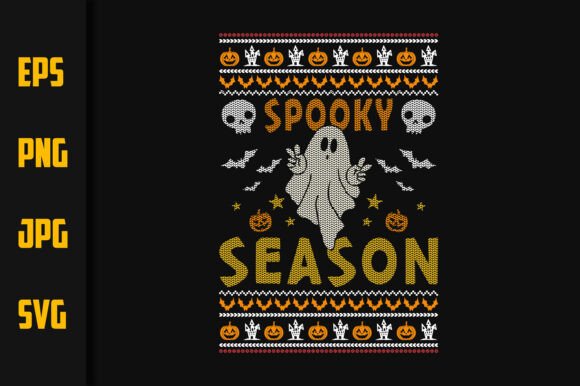
Spooky Season Ugly Halloween Sweater Design Review
As a designer who spends more time staring at stitch density charts than actual artwork, I approach every new embroidery file with a healthy dose of skepticism. The market is flooded with generic clip art that looks terrible when converted to thread. However, when I pulled up the Spooky Season Ugly Halloween Sweater design, I immediately recognized it as something with genuine commercial potential. This isn't just another spooky graphic; it’s a structured machine embroidery design that understands the specific aesthetic of "ugly sweater" culture while remaining technically viable for real-world production.
First Impressions and Visual Personality
The moment you open the vector assets—whether you are looking at the EPS, SVG, or high-resolution PNG—the mood is instantly established. It captures that chaotic, fun energy of a holiday party without tipping into the realm of cheap horror movie merchandise. For an Etsy seller or small shop product owner, this distinction is everything. Customers want novelty, but they also want wearability.
The layout feels balanced, which is critical for custom apparel. Many designs fail because they try to cram too much detail into a small space, resulting in a muddy mess after stitching. This design seems to rely on bold shapes and clear negative space. It screams "festive" rather than "frightening," making it a safer bet for broader audiences, including those buying personalized gifts for friends who might not be hardcore horror fans. The visual personality is playful, slightly retro, and undeniably catchy—a key factor in driving engagement on social media platforms where your printable mockup will likely live.
Real-World Application: From Screen to Stitch
Let’s talk about how this embroidery project translates to physical products. I recently tested similar layouts on a heavy cotton sweatshirt for a boutique client, and the results were striking. The Spooky Season Ugly Halloween Sweater design lends itself perfectly to sweatshirt embroidery, particularly when placed on the chest or centered on the back. The chunky nature of the "ugly sweater" theme pairs beautifully with the texture of fleece or knit fabrics.
But don’t limit yourself to hoodies. This design has surprising versatility. I can easily see it working as a tote bag design for fall markets. When stitched onto canvas, the contrast between the sturdy fabric and the smooth threads creates a tactile appeal that customers love. It also works well as an embroidered patch if you plan to sell detachable accessories. Furthermore, for holiday embroidery enthusiasts, this could be adapted for kitchen towels or aprons, adding a touch of seasonal humor to everyday items.
For baby embroidery, caution is advised, but if scaled down appropriately, the cute elements could translate well to onesies or burp cloths. The key is ensuring the details remain legible. A tiny version of this design needs to be simplified, perhaps focusing only on the main iconography rather than all the background clutter, to maintain clarity.
Technical Performance and Stitch Clarity
When evaluating any digital embroidery file, I look closely at how it handles different stitch types. Does it rely too heavily on dense fill stitches that can pucker lightweight fabrics? Or does it use intelligent underlay and running stitch techniques to keep the garment flat?
While I cannot confirm the exact stitch count without importing the file into my hoop software, the vector structure suggests a mix of satin and fill stitches that should perform reliably. The edges appear clean, which is vital for maintaining a professional finish. If the design uses excessive jump stitches, it might require trimming, which adds labor time. However, given the thematic nature of "ugly sweaters," a slightly rustic finish can actually enhance the charm, provided it doesn't look sloppy.
Thread color selection will make or break this piece. I recommend using high-contrast colors. If you are stitching this on dark fabric, ensure your base layer provides enough coverage so the background doesn't show through. Conversely, on light fabrics, vibrant autumnal tones—oracles, oranges, and deep purples—will pop beautifully. Always test your thread colors against your specific fabric batch, as dye lots can vary significantly.
Where to Use It Carefully
No design is universal, and there are several scenarios where the Spooky Season Ugly Halloween Sweater might struggle:
- Small Hoop Sizes: If you attempt to stitch this on a very small area, such as a cap brim or a baby hat, fine details may disappear. Always check the minimum recommended hoop size.
- Textured or Stretchy Fabrics: While sweatshirts are great, highly textured fabrics like bouclé or very stretchy synthetics can distort the design. You must use the correct stabilizer to prevent shifting and puckering.
- Dense Stitch Areas: Avoid placing this design on thin fabrics like silk or lightweight rayon unless you are confident in your stabilizing techniques. The weight of the thread could cause the fabric to sag over time.
- Curved Surfaces: Stitching on caps or curved tote handles requires careful digitizing. If the design isn't optimized for curvature, it may look warped.
Impact on Brand and Customer Trust
In the world of handmade goods, presentation is paramount. A well-executed finished product builds trust faster than any marketing copy. When a customer sees that the Spooky Season Ugly Halloween Sweater design is stitched cleanly, with no loose threads or misaligned elements, they perceive higher value. They assume the entire brand operates with that same level of care.
Using high-quality design assets also helps with brand consistency. If your shop focuses on festive, humorous, and cozy items, this design fits right in. It signals to your audience that you understand their desire for fun, seasonal expression. Moreover, for commercial embroidery clients, delivering a design that is both visually appealing and technically sound reduces revision requests and increases satisfaction.
Practical Designer Notes Before You Start
Before you commit to mass production or listing this on your craft business platform, follow these steps:
- Test on Scrap Fabric: Never run a new design directly onto your final product. Test it on scraps of the same material to check for tension issues and fabric compatibility.
- Check Stitch Density: Import the file into your embroidery software. Look for areas of excessive density that might cause needle breakage or fabric distortion.
- Review Small Details: Zoom in on the smallest elements. Will they hold up after washing? If they are too fine, consider simplifying the design digitally before stitching.
- Black and White Mockup: Convert your design to grayscale to check contrast. If the design loses its shape or readability in black and white, it may lack sufficient visual hierarchy.
- Confirm Licensing: This is crucial. Ensure you have the proper license for commercial embroidery rights if you plan to sell finished items. The product description mentions usage for printing, but verify if resale of embroidered goods is permitted.
- Stabilizer Selection: Choose the right stabilizer for your fabric. Cut-away for stretchy fabrics, tear-away for stable wovens, and hooped stabilizers for delicate items.
Ultimately, the Spooky Season Ugly Halloween Sweater is a strong contender for anyone looking to capitalize on the fall season. It balances aesthetic appeal with practical application, making it a smart addition to your library of graphics and crafts resources. Just remember: the best designs are those that are treated with respect during the production process. Take your time, test thoroughly, and let the quality of your work speak for itself.