Vintage 2005 July 20th Birthday Embroidery Review
As a designer who spends half my life troubleshooting stitch paths and the other half trying to convince clients that "vintage" doesn't mean "cheap," I approach every new digital asset with a healthy dose of skepticism. We have all seen designs that look beautiful on a screen but turn into a tangled mess of thread once they hit the hoop. That is why I decided to put Vintage 2005 July 20th Birthday through its paces before recommending it for your craft business or personal projects.
This isn't just another generic date stamp. The file, available in formats like SVG, PNG, DXF, and EPS, suggests a versatility that bridges the gap between cutting machines and embroidery workflows. But does it hold up when you are actually stitching it onto fabric? Let’s break down the visual personality, practical application, and potential pitfalls of using this design for real-world production.
First Impressions: The Mood and Layout
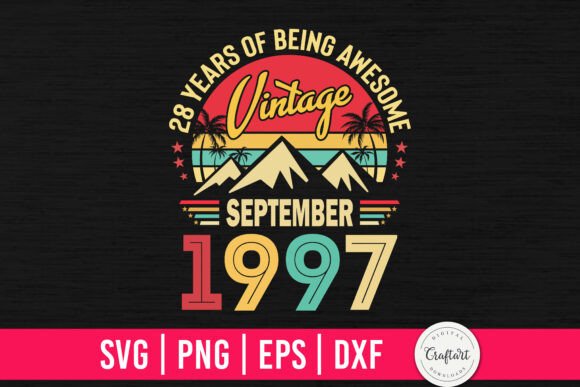
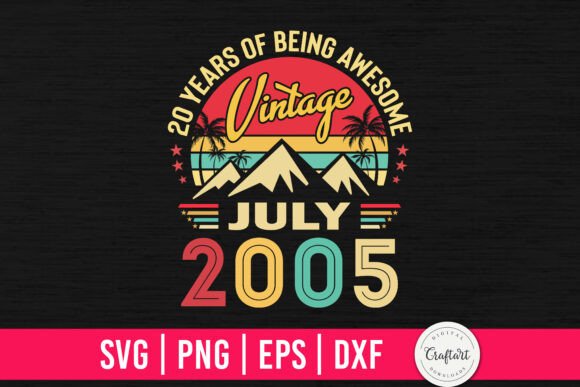
When you first load Vintage 2005 July 20th Birthday into your digitizing software or design program, the immediate takeaway is nostalgia without clutter. The aesthetic leans heavily into mid-2000s retro vibes, which is currently trending in both streetwear and boutique nursery decor. It feels intentional rather than accidental.
The layout is clean, prioritizing readability over excessive ornamentation. For an embroidery designer, this is crucial. Too many decorative swirls around a simple date can create unnecessary density, leading to puckering or thread breaks. This design strikes a balance. It has enough character to stand alone as a statement piece but remains subtle enough to serve as a secondary detail on larger garments. It creates a mood of celebration that is personal yet timeless, making it suitable for everything from a milestone birthday gift to a commemorative family heirloom.
Real-Life Application: Where This Design Shines
In my experience, the best embroidery project ideas come from matching the design’s weight to the product’s purpose. Here is where Vintage 2005 July 20th Birthday naturally fits into a production workflow:
- Custom Apparel & Sweatshirts: This design works exceptionally well on heavyweight cotton sweatshirts or hoodies. The vintage theme pairs perfectly with heather grey or muted earth tones. Imagine a cropped sweatshirt with this embroidered on the back yoke, or centered on the chest in a smaller scale. It adds a layer of storytelling to the garment that customers love.
- Tote Bag Designs: Canvas totes are a staple for any Etsy seller. Using this as a focal point on a sturdy canvas bag gives it a utilitarian-chic vibe. It transforms a basic accessory into a personalized keepsake. Just ensure you use a cut-away stabilizer to prevent the canvas from distorting during the stitch density application.
- Baby Embroidery & Nursery Decor: There is a strong market for milestone items. This design is ideal for baby onesies, burp cloths, or crib sheets. The soft, nostalgic feel resonates with parents looking for meaningful gifts. When stitched in pastel threads on white organic cotton, it becomes a cherished personalized gift.
- Embroidered Patches: If you are selling patches, this design translates well. You can add a border or a backing to create a high-quality patch for denim jackets or backpacks. The clear typography ensures it remains legible even when scaled down slightly.
- Holiday Embroidery & Gifts: While specific to July 20th, this type of date-based design is perfect for summer weddings, bachelor parties, or family reunions held in July. It serves as a unique commercial embroidery item that feels exclusive to the event.
Technical Considerations and Fabric Compatibility
No design exists in a vacuum. The success of Vintage 2005 July 20th Birthday depends heavily on what you stitch it onto. As an experienced reviewer, I need to highlight where caution is required.
Fabric Texture and Weight: This design performs best on stable, medium-to-heavyweight fabrics. If you attempt to stitch this on thin, stretchy knits like rayon jersey or loose-weave linen without proper stabilization, you will likely encounter distortion. The tension may pull the fabric, warping the text. Always test on scrap fabric first. For stretchy materials, a tear-away stabilizer might not be enough; consider a water-soluble topping if you are dealing with fuzzy fabrics like fleece or terrycloth towels.
Thread Colors and Contrast: The visual appeal of this design relies on contrast. On dark fabrics, light-colored threads (white, cream, light yellow) will pop beautifully, enhancing the vintage aesthetic. On light fabrics, darker threads (navy, charcoal, burgundy) provide a sharp, professional finish. Avoid low-contrast combinations, such as beige thread on white fabric, as the details will get lost, reducing the perceived value of the handmade product.
Stitch Density and Hoop Size: Before committing to a full run, check the stitch count and density settings in your software. While the file format (SVG/PNG/DXF/EPS) indicates it is versatile, the actual embroidery execution requires careful attention to density. If the design uses too much fill stitch in small areas, it may become stiff and uncomfortable against the skin. Ensure the hoop size accommodates the design with adequate margin to avoid clipping edges during trimming.
Where to Use Caution
There are certain scenarios where this design might struggle:
- Small Hoop Sizes: If you are working with very small hoops, the text may become too cramped to read clearly. Embroidery is a tactile art; if the customer cannot easily read the date, the emotional connection is weakened.
- Curved Surfaces: Stitching this on caps or curved hat fronts requires advanced digitizing skills to compensate for the curvature. A flat design applied to a curve can result in uneven tension and distorted letters.
- Dense Stitch Areas: If the design includes heavy decorative elements, avoid placing it on garments that require frequent washing and ironing. Excessive stitching can wear out faster than the fabric itself, leading to fraying threads and a worn-out appearance after just a few cycles.
Visual Appeal and Brand Consistency
For craft business owners and small shop product creators, consistency is key. Vintage 2005 July 20th Birthday offers a cohesive look that aligns with current trends in handmade goods. It communicates quality and thoughtfulness. When customers see a well-executed embroidery file like this, they perceive higher value in the final product. It signals that you care about the details, which builds trust and encourages repeat purchases.
Furthermore, the versatility of the file formats allows you to create printable mockups for your online store. You can place the design on various backgrounds and products to visualize how it looks before you even buy the thread. This is invaluable for marketing your design assets effectively.
Practical Designer Notes for Success
To ensure your finished product meets professional standards, follow these steps:
- Test First: Always stitch a sample on the exact fabric and thread colors you plan to use. Check for puckering, thread breaks, and clarity of text.
- Check Licensing: Confirm whether the license allows for commercial use. If you are selling finished items, you need explicit permission to do so. Do not assume that buying a digital file grants unlimited commercial rights.
- Use Proper Stabilizer: Match your stabilizer to your fabric. Heavy fabrics need heavy stabilizers; delicate fabrics need lightweight options. This prevents damage and ensures smooth stitching.
- Inspect Details: Zoom in on the design in your software. Look for tiny corners or thin lines that might not stitch well. Simplify or adjust if necessary.
- Compare Backgrounds: Test the design on both light and dark backgrounds to ensure maximum visibility and aesthetic appeal.
In conclusion, Vintage 2005 July 20th Birthday is a solid choice for designers looking to add a touch of nostalgia to their repertoire. It is versatile, visually appealing, and fits well within the current market trends for personalized and handmade goods. By paying attention to fabric selection, stabilizer usage, and licensing terms, you can transform this digital file into a profitable and cherished physical product.