Review: Celebrating 100 Days of School Embroidery
As a designer who spends more time staring at stitch lines than sleeping, I approach every new download with a mix of optimism and skepticism. The market is flooded with generic clip art, so finding a design that actually translates well from screen to fabric is rare. Recently, I pulled Celebrating 100 Days of School off the shelf to see if it had the legs for real-world application. This isn’t just another vector graphic; it’s a potential cornerstone for a seasonal collection, but does it hold up under the needle? Let’s dive into the practical realities of using this piece in your next embroidery project.
The First Impression: Whimsy Meets Structure
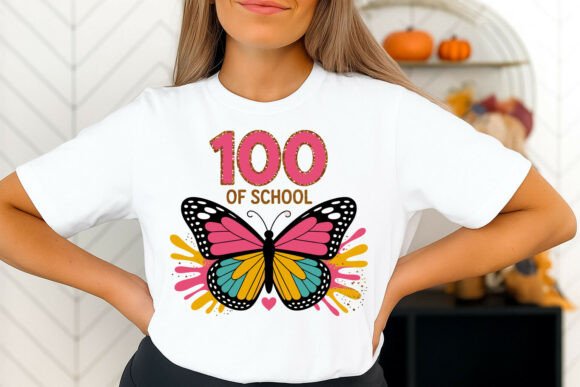
When you first look at Celebrating 100 Days of School, the immediate takeaway is its vibrant energy. The core concept relies on a whimsical butterfly, which serves as both a decorative element and a thematic anchor. In the world of school-themed merchandise, "cute" is the baseline requirement, but "professional" is what gets you repeat customers. This design strikes a balance that many competitors miss. The butterfly isn’t just an afterthought; it feels integrated into the composition, suggesting movement and celebration without feeling cluttered.
From a visual personality standpoint, the layout feels open enough to breathe but detailed enough to justify a higher price point. It avoids the trap of looking like a cheap sticker. Instead, it has the weight and presence of a proper machine embroidery design. For designers, this distinction is crucial. You want a file that looks intentional, not accidental. The vector nature of the original Graphics ensures clean lines, which is half the battle won before you even load the hoop. It screams "commemorative," making it perfect for marking that specific milestone in a child’s educational journey.
Real-World Application: Where Does This Shine?
I don’t believe in designs that only look good in a digital mockup. To test Celebrating 100 Days of School, I imagined it on actual physical products. My first scenario was a custom embroidered tote bag for a teacher’s gift or a boutique school supply store. The butterfly motif works beautifully on canvas or cotton blends, providing a soft contrast to the sturdy fabric texture. It elevates a standard tote into a keepsake item.
However, the true potential lies in apparel and baby items. Picture a sweatshirt embroidery placed on the chest of a toddler’s hoodie. The scale of a butterfly allows for a focal point that doesn’t overwhelm a small frame. Similarly, on baby clothes—think onesies or burp cloths—the theme is timely and emotionally resonant. Parents love documenting these milestones, and a high-quality embroidered patch or direct-to-garment style stitch job adds a layer of permanence that paper stickers can’t match.
For the Etsy seller or craft business owner, versatility is key. This design fits seamlessly into a broader catalog of holiday embroidery and back-to-school collections. It also translates well to home decor. A pillow cover or a kitchen towel featuring this design could serve as a unique gift for a parent or teacher. The adaptability of the butterfly shape means it can be scaled up for a large hooped piece or trimmed down for smaller accents, making it a valuable asset for any digital product seller.
Technical Considerations and Potential Pitfalls
No design is flawless, and being honest about limitations is part of being a professional reviewer. While Celebrating 100 Days of School is strong, there are specific scenarios where you need to exercise caution. First, consider the hoop size. If you are working with a small hoop, the details of the butterfly wings might get lost or require excessive digitizing adjustments to maintain clarity. Always check the stitch density relative to your machine’s capabilities.
Fabric choice is equally critical. Textured fabrics, such as heavy tweeds or loosely woven linens, can distort the fine lines of the butterfly. Thin or stretchy fabrics pose a risk of puckering if the stabilizer isn’t chosen correctly. I recommend using a cut-away stabilizer for knit garments like sweatshirts to ensure the design remains stable during wear and washing. On dark fabrics, thread color contrast becomes paramount. You may need to add a backing or adjust the thread colors to ensure the white or light elements of the butterfly pop against the background.
Another area to watch is curved surfaces. While caps and hats are popular merch items, the flat plane of a butterfly design might not conform perfectly to the curve of a baseball cap without careful placement. It’s best suited for flat panels or larger surface areas like tote bags and aprons. Additionally, avoid placing this design near edges where frequent washing and friction could cause premature wear, especially if the design includes delicate satin stitch outlines.
Stitch Types and Visual Clarity
Assuming the file utilizes a mix of fill stitch for the wing bodies and running stitch or satin stitch for the outlines, the visual appeal will be high. Fill stitches provide that rich, textured look that buyers associate with quality handmade products. However, if the fill areas are too dense, they can become stiff and uncomfortable, particularly on baby clothing. Reviewing the embroidery file structure is essential here. You want a balance where the design looks plush but feels soft to the touch.
For those creating printable mockups or design assets for clients, this design offers excellent recognition value. The 100th day of school is a widely recognized event, and the butterfly adds a universal symbol of growth and transformation. This emotional connection drives buyer engagement. When customers see a finished product that captures the spirit of the occasion, trust in your brand increases. It signals that you understand not just the technical side of embroidery, but the sentimental value behind the purchase.
Practical Designer Notes for Execution
Before you commit to a full production run, follow these steps to ensure success:
- Test on Scrap Fabric: Never assume a design will stitch out perfectly on your final material. Run a test on the exact fabric type you plan to use to check for tension issues or distortion.
- Check Thread Contrast: View your design in black and white mockups to ensure the contrast between the butterfly and the background is sufficient. Low contrast can make the design look muddy.
- Inspect Small Details: Zoom in on the wing patterns. Are there tiny elements that might break or tangle? Simplify if necessary.
- Confirm Licensing: If you are planning to sell finished items, verify the commercial use rights. Even if the file is a commercial embroidery asset, some licenses restrict the number of units you can produce.
- Evaluate Stabilizer Needs: Choose the right stabilizer based on the fabric weight. Heavy stabilizers are needed for knits; lighter ones for wovens.
Final Verdict
Celebrating 100 Days of School is a solid addition to any designer’s library. It offers a blend of thematic relevance and aesthetic charm that appeals to parents, teachers, and gift-givers alike. Its strength lies in its versatility across various handmade product categories, from custom apparel to tote bag design projects. By paying attention to fabric selection, stabilizer usage, and stitch density, you can transform this vector graphic into a premium finished product that stands out in a crowded marketplace. It’s not just a decoration; it’s a celebration of growth, stitched with care.