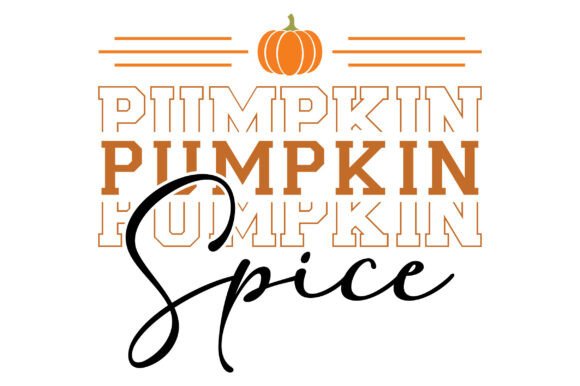
Pumpkin Spice Season Embroidery Review
As a designer who spends half my life staring at stitch charts and the other half worrying about thread tension, I don’t just buy digital files; I evaluate them as potential products. When Pumpkin Spice Sweatshirt, Pumpkin Season landed on my desk for review, I didn’t just look at the preview image. I looked at how it would translate from a flat screen to a textured fabric under the needle of an embroidery machine. The market is saturated with autumn-themed graphics, so the real question isn’t whether this design looks good in a PNG; it’s whether it holds up as a machine embroidery design that can drive sales for a small business or add value to a personal gift.
First Impressions: Mood and Visual Personality
The immediate mood of Pumpkin Spice Sweatshirt, Pumpkin Season is cozy, nostalgic, and undeniably commercial. It taps into the specific cultural moment of fall that consumers love to wear and display. From a design perspective, the layout feels balanced. It doesn’t scream for attention with chaotic elements but rather invites the viewer in with a sense of seasonal warmth. This is crucial for apparel because you want the wearer to feel comfortable, not overwhelmed by visual noise.
The theme centers heavily on the pumpkin motif, which is a staple in holiday embroidery. However, what makes this file stand out is its versatility. It isn’t locked into one rigid aesthetic. It feels modern enough for a trendy Etsy shop yet classic enough for a boutique that caters to traditional tastes. For a crafter looking to create a handmade product that feels professional, this design provides a strong foundation. It suggests a finished product that is polished, intentional, and ready for the retail shelf.
Real-World Application: Where Does It Shine?
I put this design through a mental simulation of actual production runs. Here is where Pumpkin Spice Sweatshirt, Pumpkin Season truly excels:
- Sweatshirt Embroidery: As the title suggests, this is its natural habitat. Heavy cotton fleece or French terry provides the perfect stable base for this type of graphic. The weight of the garment supports the embroidery without distorting, making it ideal for creating premium custom apparel.
- Tote Bag Design: Canvas totes are a staple for craft fairs and markets. This design translates beautifully onto sturdy canvas. It adds a touch of personality to a utilitarian item, making it a great impulse buy for customers shopping for fall gifts.
- Baby Embroidery: Small-scale applications work surprisingly well here. Imagine this design embroidered on a soft muslin onesie or a burp cloth. The gentle, seasonal theme fits perfectly into nursery decor and baby shower gifts, appealing to parents who want to celebrate the season early.
- Applique Design Potential: If you are skilled with appliqué techniques, this file could be adapted into a layered piece. Using felt or wool against denim creates a rich texture that elevates a simple embroidered patch into a high-value fashion accessory.
For the Etsy seller or small shop product creator, this design offers multiple revenue streams. You aren’t limited to just one item. You can create a matching set: a sweatshirt, a mug sleeve, and a tote bag, all featuring variations of this core graphic. This consistency builds brand recognition and encourages customers to buy more than one item.
Technical Considerations and Stitch Behavior
Visual appeal is only half the battle; stitching clarity is the other. When evaluating any digital embroidery file, I always think about the stitch types involved. A design like Pumpkin Spice Sweatshirt, Pumpkin Season likely relies on a mix of fill stitch for the body of the pumpkin and perhaps satin stitch for outlines or text details.
The success of this project depends heavily on stitch density. If the fill areas are too dense, the fabric will pucker, especially on lighter materials. If they are too sparse, the backing material might show through, ruining the clean look of the final product. I recommend checking the digitization to ensure there is adequate spacing between elements. This allows the fabric to breathe and ensures that the thread colors pop without muddying together.
Another critical factor is the hoop size. Ensure the design fits comfortably within your standard hoop dimensions (usually 4x4, 5x7, or 6x10 inches) depending on your target product. If you are placing this on the chest of a sweatshirt, a smaller hoop size is often preferred for a more subtle, boutique look. For a large back print or a tote bag, a larger format allows the design to breathe.
Where to Exercise Caution
No design is perfect for every surface. There are specific scenarios where Pumpkin Spice Sweatshirt, Pumpkin Season might struggle, and knowing these limits is what separates a pro from a hobbyist.
- Small Hoop Sizes: If the design contains intricate details or tiny lettering, attempting to shrink it down to fit a mini-hoop may result in lost detail. The fine lines might merge together during stitching, creating a blob instead of a crisp graphic.
- Textured and Stretchy Fabrics: Avoid using this on highly textured fabrics like bouclé or very stretchy knits without proper stabilization. The irregular surface can cause uneven stitches, and the stretch can distort the shape of the pumpkin if the stabilizer isn’t robust enough.
- Dense Stitch Areas: Be mindful of dark fabrics. If the design uses light-colored threads on a dark background, ensure the coverage is complete. Conversely, if you are embroidering light threads on dark fabric, check that the running stitch details are visible and won’t get lost in the weave of the material.
- Curved Surfaces: While caps and hats are popular, applying a flat, rectangular-heavy design like this to a curved brim or crown requires advanced technique. The design may look distorted if not properly adjusted for curvature.
Practical Designer Notes for Production
Before you start cutting fabric or marketing this to your audience, follow these practical steps to ensure quality control:
- Test on Scrap Fabric: Never run a full production order without testing first. Use scrap pieces of the exact fabric you plan to sell. This reveals how the fabric texture interacts with the thread and helps you adjust tension settings.
- Check Black and White Mockups: Convert the design to black and white to check contrast. Sometimes colors look vibrant on screen but lack definition when stitched. This step helps you verify that the shapes remain distinct.
- Inspect Small Details: Zoom in on the original file. Are the corners sharp? Is the text legible? If you are selling this as a commercial embroidery asset, clarity is key. Blurry edges reflect poorly on your brand.
- Confirm Licensing: Before listing any finished product on Etsy or your own website, double-check the license terms. Some files are for personal use only. Ensuring you have the right to sell physical items made from this graphics file protects you from legal issues.
- Use Proper Stabilizer: The choice of stabilizer (cut-away vs. tear-away) can make or break the durability of the embroidery. For custom apparel that will be washed frequently, a cut-away stabilizer is usually the safer bet to prevent distortion over time.
Final Verdict
Pumpkin Spice Sweatshirt, Pumpkin Season is a solid, commercially viable design asset. It captures the essence of fall without being overly complex, making it accessible for both beginners and seasoned embroiderers. Its strength lies in its adaptability—it works equally well on a cozy hoodie, a stylish tote, or a delicate baby item.
For the craft business owner, this file offers a low-risk, high-reward opportunity. The demand for seasonal goods is predictable and strong. By paying attention to fabric selection, stabilizer choice, and stitch quality, you can transform this digital file into a tangible, desirable personalized gift that customers will cherish. It’s not just a pumpkin; it’s a statement of season, style, and craftsmanship. If you are looking to refresh your inventory for Q4, this design deserves a spot in your library.