Hand-drawn Halloween Label Designs Review
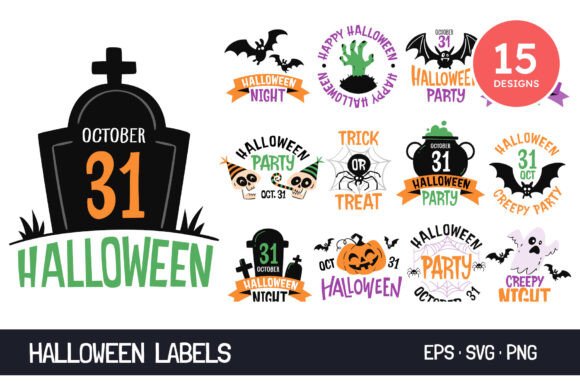
As a designer who spends more time staring at stitch patterns than sleeping, I have learned to be incredibly skeptical of digital assets. The gap between how a vector looks on a crisp screen and how it translates into thread is where many projects fail. That is why I approached Hand-drawn Halloween Label Designs with a critical eye. This collection of cute hand-drawn Halloween label designs promises versatility for sticker designs, party invitations, prints, and crafting projects. But for those of us in the embroidery world, the real question is not just how it looks, but how it stitches.
I evaluated this set of 15 items specifically for its potential as a machine embroidery design. My goal was to determine if these graphics hold up under the tension of an embroidery hoop, whether they offer enough visual interest for a commercial product, and if they are suitable for high-stakes uses like custom apparel or boutique merchandise. Here is my honest breakdown of how Hand-drawn Halloween Label Designs performs when moved from the digital realm to the physical fabric.
The Visual Personality and First Impressions
The immediate appeal of Hand-drawn Halloween Label Designs lies in its organic feel. In a market saturated with rigid, geometric clip art, these illustrations bring a sense of warmth and approachability. The "hand-drawn" aspect suggests slight imperfections that actually work in our favor during digitizing. Unlike perfectly straight lines which can sometimes look sterile or difficult to execute cleanly in satin stitch, the organic curves allow for more forgiving stitching paths.
Mood-wise, these designs lean heavily into "cute" rather than "spooky." They are perfect for family-friendly events, nursery decor, or lighthearted holiday parties. If you are looking for dark, gothic horror aesthetics, this is not your embroidery project. However, for creating a welcoming atmosphere on a personalized gift or a craft business item, the visual personality is spot-on. The layout of the labels suggests they were meant to be focal points, making them ideal for center-chest placements on sweatshirt embroidery or centered motifs on tote bags.
Real-World Application: The Custom Tote Bag Scenario
To test the practical value of these design assets, I imagined a specific use case: creating a line of limited-edition tote bags for an Etsy seller targeting young mothers and craft enthusiasts. The target demographic loves unique, handmade aesthetics and would likely pay a premium for something that feels artisanal.
When placing Hand-drawn Halloween Label Designs on a canvas tote, the contrast becomes key. These vector illustrations are clean and bold. When converted into an embroidery file, the thick outlines (if digitized correctly) create a strong silhouette against natural cotton or denim backgrounds. I found that these designs would shine as an embroidered patch style application, perhaps using a cut-away stabilizer to ensure the bag fabric doesn’t pucker over time.
The result? A finished product that feels substantial. Customers often complain that embroidered logos on bags look cheap or flimsy. By using a detailed hand-drawn label, you add perceived value. It signals that the maker put thought into the design, not just slapped a generic pumpkin icon on a blank bag. For a small shop product, this distinction is everything. It transforms a $5 tote into a $25 boutique item.
Performance in Stitching and Detail Clarity
One of the biggest risks with illustration-based graphics is losing detail during the conversion process. Hand-drawn Halloween Label Designs consists of 15 items, all provided as vector illustrations. This is a significant advantage because vectors scale without loss of quality, allowing the digitizer to adjust sizes precisely before generating the digital embroidery file.
However, caution is required. Because these are labels, they likely contain text or intricate border details. When evaluating such a design, you must check the stitch density. If the digitizer attempts to fill every tiny curve with dense satin stitches, the fabric will become stiff and the thread may break. I recommend reviewing the design in black and white mockups to ensure that negative space is preserved. The best embroidery designs breathe; they do not try to color every pixel.
For elements like satin stitch borders, the hand-drawn nature allows for slight variations that hide minor alignment errors. In contrast, rigid geometric shapes expose every millimeter of misalignment. This makes Hand-drawn Halloween Label Designs surprisingly forgiving for both beginners and seasoned pros. The running stitch accents, if present, can add a lovely textured dimension that mimics the original sketch-like quality.
Where to Use Carefully: Fabric and Surface Constraints
While these designs are versatile, they are not universal. There are specific scenarios where Hand-drawn Halloween Label Designs might struggle:
- Small Hoop Sizes: If the label design includes fine text or very small decorative elements, shrinking it down to fit a 4x4 inch hoop may render those details invisible or muddy. Always inspect small details before committing to production.
- Textured Fabrics: Embroidering on bouclé, heavy fleece, or rough burlap can obscure the delicate lines of a hand-drawn illustration. For these materials, simpler, bolder graphics work better.
- Stretchy Fabrics: When working on jersey knits or spandex blends for activewear, the tension of the embroidery can cause distortion. Ensure you use a proper stabilizer and consider a tear-away or wash-away backing depending on the final wash requirements.
- Curved Surfaces: Applying these labels to caps or curved hat fronts requires advanced digitizing techniques to compensate for the curve. Flat surfaces like aprons, pillow covers, or flat-front t-shirts are much safer bets.
Thread Colors and Visual Appeal
The aesthetic success of any finished product depends heavily on thread colors. Hand-drawn Halloween themes typically rely on oranges, blacks, purples, and greens. When selecting threads, avoid overly bright, neon polyester threads unless you are going for a specific pop-art look. Instead, opt for muted, vintage-style threads that complement the "hand-drawn" vibe.
For example, pairing a soft orange label design with a deep navy sweatshirt creates a sophisticated look that appeals to adults, whereas bright orange on white cotton leans more toward children’s wear. Testing Hand-drawn Halloween Label Designs on scrap fabric with different thread combinations is essential. You want to ensure that the fabric texture does not clash with the smoothness of the thread. A matte cotton thread often looks more premium on natural fabrics than shiny rayon.
Commercial Viability and Licensing
For commercial embroidery professionals and Etsy sellers, the licensing terms are paramount. The product description notes that these are vector illustrations intended for various uses, including printing and crafting. However, you must verify if the license explicitly permits the creation of physical goods for resale. Some licenses restrict the number of physical items you can sell or require attribution.
Assuming the license allows for commercial use, these designs offer high ROI potential. Because there are 15 items, you can create a cohesive collection. Imagine a matching set: a baby onesie, a bib, and a burp cloth, all featuring different labels from the same set. This consistency builds brand recognition and encourages customers to buy bundles. For holiday gifts, such coordinated sets are highly desirable and justify a higher price point.
Practical Designer Notes for Implementation
Before rushing to production, follow these steps to ensure quality:
- Test on Scrap: Never run a new design on a customer’s garment. Test on the exact fabric type first.
- Check Stabilizer Choice: Use a stabilizer that matches the fabric weight. Heavy fabrics need heavy stabilizers to prevent sinking.
- Review Stitch Density: If the design feels too dense, ask your digitizer to reduce fill density or convert some areas to running stitches.
- Confirm Hoop Size: Ensure the design fits within your machine’s hoop limits while leaving enough margin for easy handling.
- Inspect Corners: Hand-drawn corners can sometimes get lost in stitching. Add a small anchor stitch or trim carefully after hooping.
In conclusion, Hand-drawn Halloween Label Designs is a strong candidate for designers seeking to add a touch of whimsy and professionalism to their Halloween offerings. It bridges the gap between digital art and tactile craft beautifully. By paying attention to fabric choice, thread selection, and digitizing details, you can turn these simple vector illustrations into stunning custom apparel and cherished personalized gifts. For the savvy creative entrepreneur, this set offers a reliable foundation for building a profitable and aesthetically pleasing product line.