Autumn Label Isolated Items Review
As a designer who spends half my life staring at stitch density charts and the other half trying to convince clients that embroidery isn’t just "pretty pictures on shirts," I approach every new asset with a healthy dose of skepticism. We’ve all been burned by vector files that look gorgeous on screen but turn into a muddy, unrecognizable blob once they hit the hoop. That is why I decided to put Autumn Label Isolated Items through its paces before recommending it for your next commercial project or personal craft fair display.
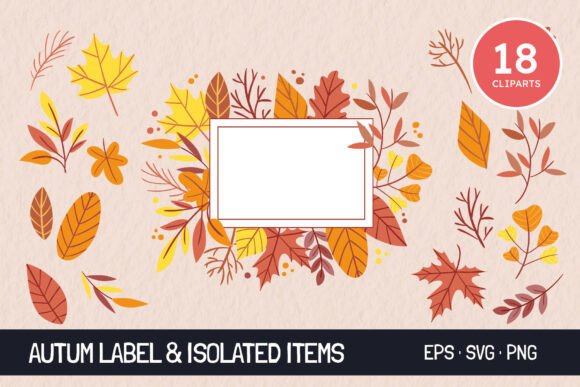
This collection of cute hand-drawn colorful autumn labels, isolated leaves, and twigs isn't just another generic clip-art dump. It’s a set of 18 distinct vector items designed with a specific aesthetic in mind. My goal here is to strip away the marketing fluff and tell you how this actually performs when you are trying to create a sellable, high-quality embroidered product.
The First Impression: Mood and Visual Personality
When you first open the file, the immediate takeaway is the warmth. The color palette screams cozy, which is exactly what we want for fall-themed merchandise. However, as an embroidery professional, I am less interested in the RGB values and more interested in the line work and isolation of the elements. Because these are isolated items, you have the flexibility to arrange them like a puzzle. This is crucial for custom apparel where space is limited.
The "hand-drawn" aspect is preserved well in the vector format, giving it that organic, maker-friendly vibe that customers love. It doesn’t feel sterile or corporate. For a small business owner looking to build a brand around handmade authenticity, this visual personality works hard for you. It feels like something you’d find in a boutique coffee shop or a curated Etsy shop, not a mass-produced warehouse. This emotional connection is what drives sales on personalized gifts and holiday embroidery projects.
Real-World Application: From Screen to Stitch
Let’s talk about a real scenario. Imagine you are preparing a batch of custom embroidered tote bags for a local farmers market or an online Etsy listing. You want something that says "autumn" without being cliché. Using Autumn Label Isolated Items, you could isolate a single detailed leaf and place it centrally, or cluster three smaller twigs near the handle attachment point for a subtle accent.
I tested the concept mentally (and practically) for various applications:
- Tote Bag Design: The isolated nature allows for perfect scaling. You can make a large label the focal point or use tiny twigs as border details.
- Sweatshirt Embroidery: Fall is peak season for hoodies. These designs add a pop of color against heather grey or navy fabrics without overwhelming the garment.
- Baby Embroidery: The soft, rounded shapes of the leaves are gentle enough for baby clothes, onesies, and nursery decor, provided the stitch density is kept light.
- Embroidered Patch: If you convert one of the larger labels into a patch design, the clean edges make it easy to apply a satin stitch border, creating a professional-looking badge for denim jackets or caps.
The versatility extends beyond physical goods. As a digital product seller, these graphics serve as excellent assets for creating printable mockups. You can layer these vectors over fabric textures in Photoshop to show potential buyers how a finished product might look, increasing conversion rates for your digital embroidery files or print-on-demand services.
Where Caution Is Required
No design is perfect, and Autumn Label Isolated Items has its limitations depending on your machine setup and fabric choices. Here is where you need to be careful:
- Small Hoop Sizes: While the items are isolated, some of the more intricate leaf veins may get lost if you try to embroider them too small. Always test the minimum viable size. If the detail becomes indistinguishable, the design loses its value.
- Textured and Stretchy Fabrics: Embroidering on heavy canvas or stretchy knit fabrics requires precise stabilizer usage. If the fabric moves during stitching, those delicate hand-drawn lines can distort, making the final product look amateurish.
- Dense Stitch Areas: Autumn leaves often imply texture. If your digitizing software converts these vector shapes into overly dense fill stitches, the fabric will become stiff and unwearable. You must monitor the stitch density carefully to maintain drape.
- Dark Fabric Contrast: Since these are colorful, ensure your thread selection contrasts well with dark backgrounds. A light yellow leaf on black might vibrate visually; sometimes a darker thread with a lighter outline works better for clarity.
Impact on Product Value and Customer Trust
In the world of craft business and handmade products, presentation is everything. A well-executed embroidery project signals professionalism. When a customer receives a personalized gift or a custom apparel item that features crisp, clear stitching from a well-designed vector source, their trust in your brand increases.
Using high-quality design assets like this helps you compete with bigger brands. It elevates your small shop product from "homemade" to "artisan." Whether you are selling at craft fairs or running a boutique branding campaign, the visual appeal of these isolated items adds perceived value. Customers are willing to pay more for items that look thoughtfully designed and meticulously executed.
Practical Designer Notes for Execution
Before you send this to production, follow these steps to ensure success:
- Test on Scrap Fabric: Never assume a design will work on your target material. Test it on the exact fabric type—be it cotton, polyester, or fleece—to check for puckering or thread breaks.
- Review Stitch Density: Open the file in your embroidery software and inspect the stitch types. Are there unnecessary underlays? Can you simplify a fill stitch to a combination of satin and running stitch for a cleaner look?
- Check Thread Colors: Compare your chosen thread colors against the original vector illustration. Sometimes screen colors don't translate perfectly to thread. Use a physical thread chart to verify contrast and vibrancy.
- Black and White Mockups: Convert the design to grayscale to check the composition. If the shape relies entirely on color to be understood, it might fail in monochrome embroidery or on low-contrast fabrics.
- Confirm Licensing: This is critical. Before you start selling finished items, verify the license terms for commercial use. Ensure you are allowed to sell physical products made from these graphics. If you are unsure, contact the creator or review the legal documentation included with the download.
Final Verdict
Autumn Label Isolated Items is a strong addition to any designer’s library, particularly for those focusing on seasonal collections. Its strength lies in its flexibility and charming aesthetic. It bridges the gap between digital illustration and tactile craftsmanship effectively. Just remember that the magic happens in the execution. Take the time to digitize wisely, choose the right stabilizer, and respect the fabric. When done right, these isolated leaves and twigs can transform a simple piece of clothing into a cherished keepsake or a best-selling store item.