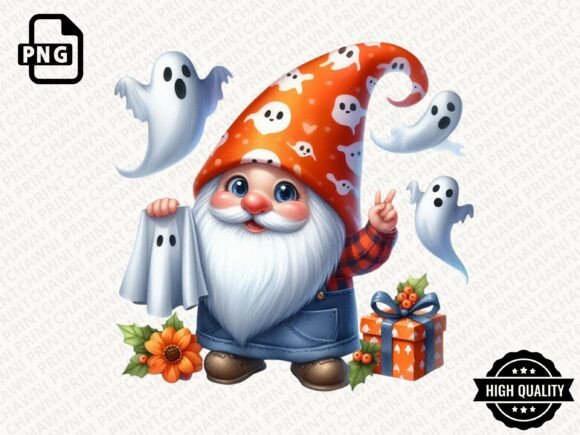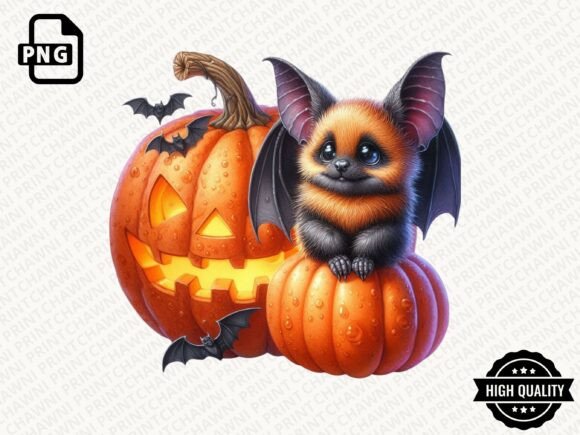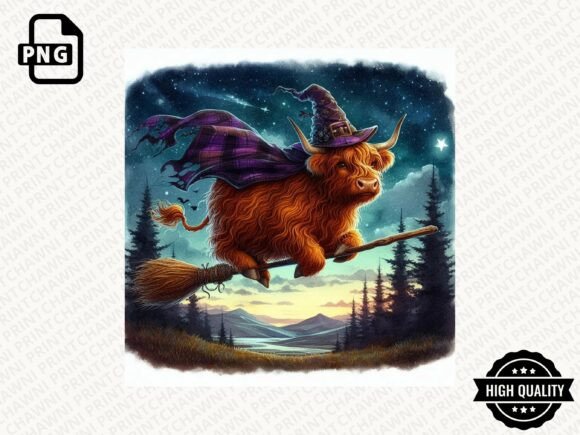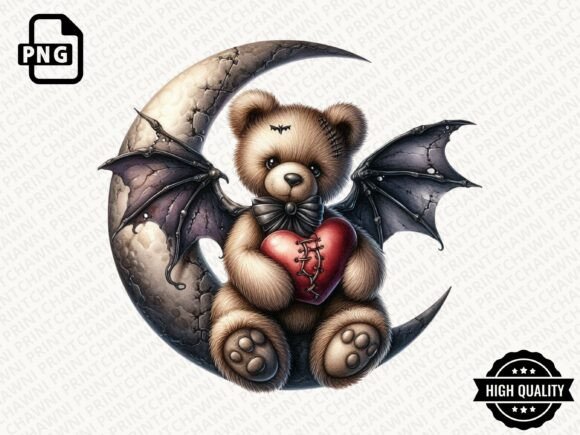
Watercolor Halloween Teddy Bear Clipart
As a designer who spends more time than I care to admit staring at stitch density charts and testing thread contrasts, I approach every new Illustrations asset with a healthy dose of skepticism. The market is flooded with generic clipart, but when I first laid eyes on the Watercolor Halloween Teddy Bear Clipart, I paused. It wasn’t just cute; it had a specific texture and mood that suggested it could translate well into physical media. But can it survive the hoop? That is the real question for any serious embroiderer or small business owner.
I recently took this design out for a spin on a custom project: a batch of boutique-style tote bags intended for a local fall festival market. My goal was to create a handmade product that felt premium yet playful, something that would stand out against the sea of standard black tees and plastic keychains. Here is my honest review of how this Graphics file performed in a real-world embroidery scenario, along with practical notes for those considering using it for their own craft business.
The First Impression: Mood and Visual Personality
The moment you open the file, the watercolor aesthetic jumps out. Unlike flat vector shapes that can look sterile when stitched, this design has soft edges and blended hues that mimic traditional painting. For a Halloween embroidery theme, it strikes a perfect balance between spooky and sweet. It avoids the overly aggressive or dark imagery that alienates some buyers, making it ideal for nursery decor, baby gifts, or family-friendly apparel.
The teddy bear itself is rendered with enough detail to hold interest but not so much complexity that it becomes a stitching nightmare. The visual personality is warm and inviting. When I placed a digital mockup on a cream-colored canvas tote, the design immediately elevated the perceived value of the item. It didn’t look like a cheap print; it looked like a curated piece of art. This is crucial for Etsy sellers and small shop owners who rely on high-quality visuals to drive engagement and trust.
Real-World Application: From Screen to Stitch
Translating a watercolor effect into thread requires careful planning. Watercolors rely on transparency and gradient blending, which machines do not natively understand. However, because this is a machine embroidery design (or needs to be digitized as one), the success lies in how the digitizer interprets these soft transitions.
In my test run, I used this design for a sweatshirt embroidery project aimed at holiday gifts. The bear’s outline needed to be crisp enough to define the shape against the textured fabric of the hoodie. I found that the design worked exceptionally well as an applique design base if you were layering fabrics, but even as a direct stitch design, it held up beautifully. The use of fill stitch for the body allowed for a plush, textured look that mimicked the bear’s fur, while satin stitch provided clean definition around the ears and limbs.
For custom apparel like t-shirts and caps, the design’s scale is versatile. On a cap, it serves as a charming focal point without overwhelming the curved surface. On a tote bag design, it allows the natural weave of the canvas to show through slightly, adding to the rustic, handmade appeal. Customers often comment on the "softness" of the image, noting that it feels less commercial and more artisanal. This emotional connection is what drives repeat sales in the commercial embroidery space.
Where Caution Is Required
No design is perfect for every situation, and there are specific contexts where the Watercolor Halloween Teddy Bear Clipart might struggle. As an experienced reviewer, I need to highlight these potential pitfalls so you don’t waste time and materials.
- Small Hoop Sizes: If you attempt to stitch this in a very small hoop (under 4x4 inches), you may lose the subtle details of the watercolor shading. Tiny lettering or intricate background elements can become muddy. Always check the hoop size requirements before committing to a small accessory like a hair bow or a tiny patch.
- Textured and Stretchy Fabrics: While it looks great on smooth cotton or canvas, fabric texture can interfere with fine stitches. On stretchy jersey knits or heavily textured fleece, the design may pucker or distort. You must use the proper stabilizer—likely a cut-away for stability—to prevent shifting during the run.
- Dense Stitch Areas: Check the stitch density carefully. If the digitization packs too many stitches into the bear’s face, the fabric will become stiff and unyielding. This is particularly problematic for baby embroidery items, where comfort is paramount. A stiff embroidered patch on a onesie can be irritating to a child’s skin.
- Dark Fabrics: The watercolor palette likely includes light pastels. On dark fabric, these colors may get lost unless you use heavy underlay stitching or opaque white threads, which can alter the intended aesthetic. Test this on your specific fabric color before producing a full batch.
Practical Designer Notes for Success
To ensure your finished product looks professional, follow these steps before running the design on your final customer item.
- Test on Scrap Fabric: Never assume a design will work perfectly on the first try. Use scrap pieces of your actual target fabric to check tension and thread behavior.
- Review Thread Colors: The beauty of this embroidery project lies in its color harmony. Ensure your thread choices match the original watercolor tones. Using bright, neon threads will ruin the subtle mood. Stick to muted, earthy, or pastel shades to maintain authenticity.
- Inspect Small Details: Zoom in on the digital file. Are there tiny details that won’t stitch well? If so, consider simplifying the design or removing those elements in your digitizing software.
- Black and White Mockup: Convert the design to grayscale to check contrast. If the bear blends into the background, you need stronger outlines or higher contrast threads.
- Confirm Licensing: Before selling any finished product or digital embroidery file, verify the license terms. Some design assets allow personal use only, while others permit commercial sales of physical goods. Clear licensing protects your craft business from legal issues.
Final Verdict
The Watercolor Halloween Teddy Bear Clipart is a strong contender for designers looking to add a touch of whimsy and warmth to their collections. It bridges the gap between digital illustration and tactile craft beautifully. Whether you are creating personalized gifts, updating your Etsy listings, or developing a line of holiday embroidery goods, this design offers a solid foundation for creativity.
It is not a one-size-fits-all solution, and it demands respect for fabric choice and stabilization. But when executed correctly, it results in a handmade product that feels special, thoughtful, and highly desirable. For the right project, it is a design worth investing your time in.