Vintage Camping Print Urban Design Review
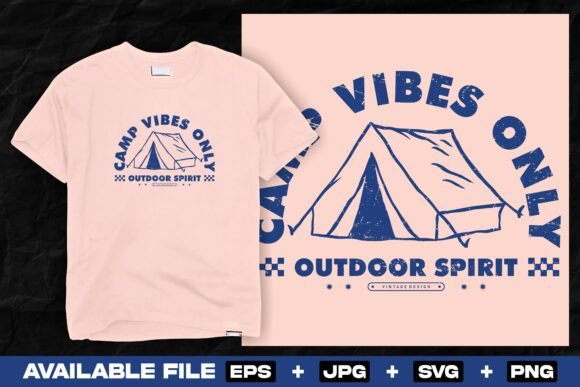
As a designer who spends more time staring at stitch lines than actual landscapes, I approach every new digital asset with a healthy dose of skepticism. We have all seen the "perfect" mockups that fall apart when you actually try to digitize them for production. Today, I am evaluating the Vintage Camping Print Urban Design, a graphic described as a vintage distressed tent illustration intended for outdoor adventure themes. My goal here is not just to tell you what it looks like on a screen, but to analyze how this T-Shirt Designs category Graphics file will behave in a real-world embroidery project.
The First Impression: Mood and Visual Personality
When you first load the file, the immediate takeaway is the texture. The "distressed" aspect is not just a filter; it suggests a tactile quality that translates surprisingly well to thread. For an embroidery designer, this is crucial. A clean, vector-perfect tent can sometimes look sterile or overly corporate on a soft cotton sweatshirt. However, this design carries a rugged, nostalgic weight. It feels like something you would find on a weathered canvas bag from the 1970s.
The layout is balanced, making it versatile for various placement options. Whether you are planning a centered chest logo for a sweatshirt embroidery project or a larger back print for a jacket, the visual hierarchy holds up. It does not scream for attention but rather invites the viewer to notice the details—the folds of the tent, the implied fire pit, or the surrounding foliage. This subtlety is exactly what makes for a high-quality handmade product. It signals to the buyer that this is not a mass-produced, throwaway item, but something with character.
Real-World Application: From Screen to Stitch
Let’s talk about where this design truly shines. In my experience, camping-themed items perform exceptionally well during the autumn months and early winter. This machine embroidery design is perfectly timed for holiday gifting. Imagine preparing a custom embroidered tote bag for a friend who loves glamping, or creating a cozy set of kitchen towels featuring this motif for a housewarming gift. The rustic aesthetic bridges the gap between urban chic and outdoor utility.
I also see strong potential for custom apparel. When I envision this on a heather grey or olive green tee, the contrast allows the distressed elements to pop without overwhelming the garment. It works beautifully as an embroidered patch that can be sewn onto denim jackets or beanies. For Etsy sellers and small shop product creators, this versatility is gold. You can create one master design and adapt it across multiple SKUs: tote bag design variations, baby onesies (perhaps scaled down), and even nursery decor pillows.
The description notes that the file is easy to modify, resize, and change color. This is a critical feature for any digital embroidery file. Being able to tweak the thread colors to match a specific brand palette or customer request means you are not locked into a single aesthetic. If a client wants a pastel version for a baby embroidery project, the vector nature likely allows for smooth scaling without pixelation, ensuring your finished product remains sharp.
Where to Exercise Caution
No design is flawless, and understanding the limitations is part of professional practice. While the distressed look is appealing, it can pose challenges if not handled correctly. Here are the areas where you need to be careful:
- Small Hoop Sizes: If you attempt to stitch this in a very small hoop (under 4x4 inches), the fine details of the distressing may get lost or become muddy. The eye needs room to appreciate the texture. Stick to medium-sized placements for best results.
- Textured Fabrics: Embroidering on heavy waffle-knit fleece or highly textured bouclé fabrics can obscure the intricate lines of the tent. The stabilizer might not grip evenly, leading to puckering. Smooth cottons, linens, or twill are safer bets.
- Stretchy Fabrics: Thin jersey knits require excellent stabilization. Without proper backing, the density of the fill stitches could cause the fabric to pucker significantly around the edges of the design.
- Dense Stitch Areas: Check the stitch density before committing to a large print. If the fill stitches are too tight, the fabric underneath may become stiff and uncomfortable, especially on garments that need to drape softly.
- Curved Surfaces: While great for flat panels, applying this to a curved cap front requires careful hooping techniques to avoid distortion.
Technical Considerations for the Designer
Before you hit the start button on your machine, there are several practical steps to ensure success. First, always test the design on scrap fabric that matches the weight and stretch of your final material. This helps you gauge the necessary stabilizer type—cut-away for knits, tear-away for wovens.
Review the thread colors carefully. The vintage aesthetic relies on muted tones, but ensure there is enough contrast between the thread and the fabric. On dark fabrics, you may need to use a white underlay or lighter thread colors to maintain visibility. I also recommend inspecting the design in black and white mockups to check for balance. Sometimes, color masks compositional issues that become obvious when stripped away.
Pay close attention to the corners and small details. If the design includes tiny text or thin running stitches, verify that they are long enough to stitch cleanly. Short, sparse stitches often break or tangle. If you are using this for commercial embroidery or selling finished goods, double-check the licensing terms. Just because you bought the design assets does not automatically grant you the right to sell unlimited quantities of physical products. Confirm whether it is a personal-use license or a commercial license to protect your business.
Final Verdict: Value and Professional Appeal
The Vintage Camping Print Urban Design succeeds because it feels authentic. In a market flooded with generic clip art, designs with personality stand out. This graphic offers a sense of wanderlust and nostalgia that resonates with modern consumers who value craftsmanship and story behind their purchases.
For the craft business owner, this design provides a reliable foundation for seasonal collections. It enhances brand consistency by offering a cohesive visual language that can be applied across different mediums. Customers trust brands that pay attention to detail, and a well-executed embroidery job using this design will reflect positively on your reputation.
Ultimately, this is a solid addition to any embroidery project library. It is adaptable, visually engaging, and technically sound provided you respect its limitations. Whether you are creating a personalized gift for a loved one or stocking your online store with holiday embroidery specials, this design delivers professional-grade results. Just remember: the magic happens in the preparation. Test thoroughly, choose your materials wisely, and let the quality of the stitching speak for itself.