Retro PNG Halloween Goose Sublimation Review
As a designer who spends half my day staring at stitch maps and the other half worrying about thread tension, I don’t just buy designs; I interrogate them. When Retro PNG Halloween Goose Sublimation landed in my inbox, my first instinct was skepticism. The term "sublimation" usually implies a flat print process, yet we are evaluating this for embroidery potential. This creates an immediate question: can a graphic originally intended for heat transfer hold up when translated into thread? After running mental simulations on various garments and reviewing the visual personality of the asset, here is my honest take on how this design performs in the real world of handmade commerce.
First Impressions and Visual Personality
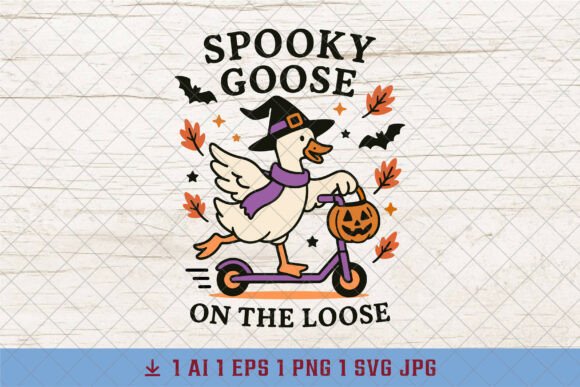
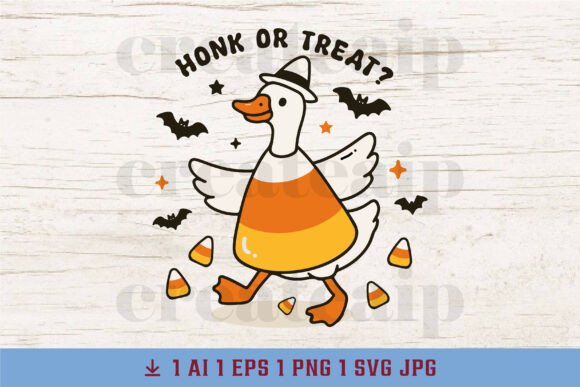
The moment you open the folder, the aesthetic speaks loudly. It leans heavily into nostalgic, kitschy vibes that resonate well with current trends in boutique apparel. The "goose" character isn’t just a bird; it’s a mood. Whether it’s sporting a witch hat or holding a pumpkin, the retro styling gives it a playful, approachable energy that works exceptionally well for seasonal marketing. For an embroidery project, this visual clarity is crucial. Unlike overly intricate vintage patterns that get lost in dense stitching, this graphic relies on bold shapes and clear silhouettes. This makes it highly legible even when stitched at smaller scales, which is a massive advantage for items like caps, aprons, or tea towels.
The color palette implied by the "retro" descriptor suggests warm oranges, deep blacks, and perhaps muted purples or teals. These are excellent choices for fall-themed collections. However, because this is a Graphics file rather than a native vector or digitized pattern, the success of your final product hinges entirely on how you interpret those colors into thread colors. A good designer knows that what looks vibrant on a screen might look muddy if you choose the wrong polyester thread shade. The design’s strength lies in its simplicity, allowing you to focus on texture and stitch type rather than fighting complex details.
Real-World Application: From Screen to Stitch
Let’s talk about where this design actually shines. Imagine you are preparing inventory for a holiday craft fair or restocking your Etsy seller shop for Q4. You need something that screams "autumn" without feeling generic. Retro PNG Halloween Goose Sublimation fits perfectly into a collection of custom apparel. Picture this goose embroidered on a cream-colored canvas tote bag design. The contrast between the natural fabric and the dark, bold lines of the goose creates a professional, high-end look that appeals to buyers looking for personalized gifts.
It also works beautifully as an embroidered patch for denim jackets or backpacks. In this context, the design acts as a focal point. Because it is a standalone graphic, it doesn’t require complex background elements to make sense. This versatility extends to sweatshirt embroidery as well. Placed over the heart or centered on the back, the retro goose adds a touch of whimsy that stands out against heavy cotton blends. For baby embroidery items, such as muslin blankets or hooded towels, the soft, rounded nature of a cartoon goose is gentle and appealing to parents, making it a safe bet for nursery decor or baby shower favors.
I also see potential in home goods. A simple version of this design on a kitchen towel or pillow cover can elevate a basic item into a trendy, handmade product. The key here is presentation. When you create printable mockups for your digital assets or listings, ensure the lighting highlights the texture of the thread. Buyers want to see the sheen of the satin stitches and the dimension of the fill areas. If you are selling this as a digital embroidery file or offering it as part of a craft business bundle, showing it on textured fabrics helps customers visualize the quality.
Where to Exercise Caution
No design is perfect, and Retro PNG Halloween Goose Sublimation has specific limitations you must respect. First, consider the hoop size. If you attempt to scale this down too small, you risk losing the character’s expression. Tiny lettering or fine whisker details may become indistinguishable blobs of thread. Always test the design on scrap fabric first to determine the minimum viable size. If the original graphic contains thin lines, you may need to adjust the digitization settings to increase line weight, ensuring they survive the stitching process without breaking threads.
Fabric choice is equally critical. Avoid using this design on stretchy knits unless you have excellent stabilizer support, as the distortion can warp the goose’s shape. Similarly, on highly textured fabrics like chunky wools or bouclé, the fine details of the retro style may get buried. You want the design to pop, not disappear. Dark fabrics require careful selection of thread colors; if the goose is primarily black or dark blue, it will vanish on navy fabric. Conversely, bright orange threads can sometimes look synthetic or harsh if not matched correctly to the garment’s undertones.
Another area to watch is stitch density. While the graphic is simple, if you apply too much fill stitch coverage, the fabric underneath may pucker, especially on lighter materials. Balance is key. Use satin stitch for outlines and borders to give crisp edges, and reserve running stitch for subtle shading or texture if needed. Over-stitching a simple graphic can make it look heavy and dated, defeating the purpose of the clean retro aesthetic.
Practical Designer Notes for Success
To get the most out of this asset, treat it as a foundation for creativity rather than a rigid template. Start by testing the design on various fabric scraps. Check how the stabilizer interacts with the material; tear-away might work for stable cottons, but cut-away could be necessary for hats or bags that undergo stress. Inspect small details closely after stitching. Are the eyes distinct? Is the beak defined? If not, adjust your digitization parameters before committing to production.
Also, consider the broader context of your brand. Does this retro goose align with your shop’s voice? It pairs well with holiday embroidery themes and seasonal promotions. However, ensure that the licensing allows for commercial use if you plan to sell finished items. Many sublimation files come with restrictive licenses, so verify whether you have the right to produce physical goods from this design assets package. If you are creating a small shop product line, consistency matters. Make sure this design complements your other offerings rather than clashing with them.
Finally, think about the customer experience. A well-executed personalized gift featuring this goose can evoke joy and nostalgia. Take time to photograph your finished products in natural light. Show the detail of the stitching close-up. Let the quality of your work speak for itself. By approaching Retro PNG Halloween Goose Sublimation with a critical eye and practical planning, you can transform a simple graphic into a standout piece of commercial embroidery that resonates with buyers and drives sales.