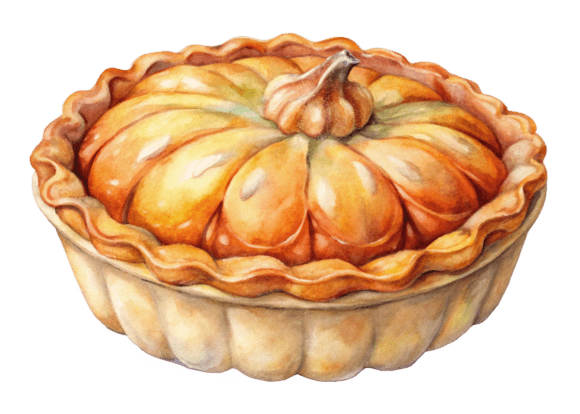
Pumpkin Pie Celebration Embroidery Review
As a designer who spends more time than I care to admit staring at stitch density charts and fabric swatches, I approach every new asset with a mix of excitement and skepticism. We have all been there: scrolling through marketplaces, spotting a cute graphic, adding it to the cart, and then realizing halfway through digitizing that the design simply will not translate well to thread. That is why I decided to put PNG Pumpkin Pie. Celebration Baking Food through its paces before committing it to any client project or personal craft business inventory. This review is not just about how the image looks on a screen; it is about how it behaves under the needle, how it holds up in real-world use, and whether it deserves a spot in your digital embroidery file library.
First Impressions and Visual Personality
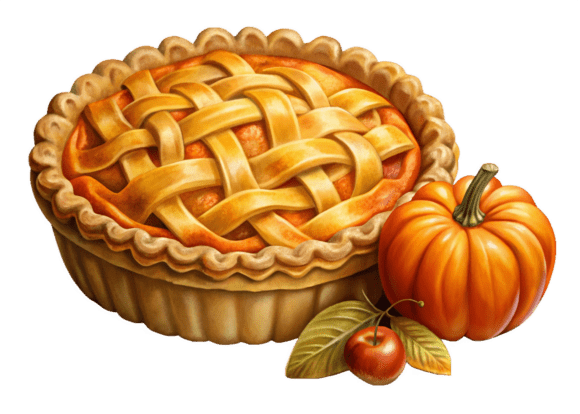
The moment you load PNG Pumpkin Pie. Celebration Baking Food, the mood is instantly set. It is warm, inviting, and distinctly seasonal without being overly cluttered. The description highlights that these are high-quality files on a transparent background, which is the single most important factor for an embroiderer. A clean transparency means no awkward white boxes around your pumpkin slice, allowing for seamless integration into various garment colors and backgrounds. The visual personality here is cozy domesticity. It screams autumn harvest, kitchen comfort, and weekend baking sessions. For designers targeting customers who value handmade authenticity, this aesthetic hits the right notes immediately.
From a layout perspective, the composition feels balanced. It does not rely on excessive detail that might get lost in stitching. Instead, it uses clear shapes and recognizable forms. This is crucial because embroidery is inherently limited by the resolution of thread. Unlike a printed t-shirt where ink can capture microscopic gradients, embroidery relies on contrast and silhouette. The PNG Pumpkin Pie. Celebration Baking Food graphic appears to strike a good balance between decorative flair and structural clarity, making it a strong candidate for both simple home decor items and more complex apparel projects.
Real-World Application: From Screen to Stitch
To truly evaluate this design, we need to imagine it on actual products. Let us say you are preparing for the upcoming holiday season and want to launch a line of custom embroidered tote bags for local farmers markets. You place the PNG Pumpkin Pie. Celebration Baking Food design centrally on a canvas tote. Because the background is transparent, you can easily layer it over a textured fabric or combine it with other elements like wheat stalks or coffee beans to create a larger scene. The result is a cohesive handmade product that looks professional rather than slapped together.
Consider another scenario: a small batch of baby onesies for a boutique nursery collection. The theme of "Celebration Baking" suggests warmth and family, which resonates deeply with new parents looking for personalized gifts. When stitched onto soft cotton blends, the design’s lines should remain crisp if digitized correctly. However, the success here depends heavily on the choice of thread colors. A vibrant orange pie filling against a cream or pastel onesie creates a soft, appealing contrast that stands out without being harsh. This versatility makes the asset valuable for an Etsy seller or small shop product creator who needs designs that work across multiple demographics.
Furthermore, this design fits naturally into the realm of commercial embroidery for kitchenware. Imagine it on a heavy-duty apron or a tea towel. The baking theme is literal and functional, reinforcing the purpose of the item. Customers often buy such items as personalized gift options for housewarmings or weddings. If the embroidery holds up after washing, the design adds tangible value to the finished product, encouraging repeat purchases and positive reviews.
Technical Considerations and Potential Pitfalls
While the visual appeal is strong, every designer knows that aesthetics are only half the battle. There are specific areas where PNG Pumpkin Pie. Celebration Baking Food requires careful handling. First, consider the stitch density. If the original graphic contains fine lines or tiny text details, these may become muddy or break during the stitching process. It is essential to inspect the small details closely. If the design includes intricate patterns within the pie crust or garnish, you may need to simplify these elements during the digitizing phase to ensure they survive the mechanical action of the machine.
Fabric choice is equally critical. Embroidering on stretchy fabrics like jersey knit requires a different approach than woven cotton. Without proper support, the design may pucker or distort. This is where the choice of stabilizer becomes non-negotiable. For lightweight fabrics, a tear-away stabilizer might suffice, but for heavier items like sweatshirts or denim, a cut-away stabilizer provides the necessary longevity. Always test the design on scrap fabric first to gauge how the material reacts to the tension of the threads.
Another area of caution is dark fabric. While the transparent background helps, the contrast between light-colored threads and dark fabric can sometimes be overwhelming if not managed carefully. You might need to add a backing or adjust the thread palette to ensure the design remains legible. Additionally, avoid placing highly detailed sections of the design on curved surfaces like caps or sleeves, where distortion is inevitable. Stick to flat, stable areas like the chest of a sweatshirt embroidery project or the front panel of a tote bag design.
Practical Designer Notes for Implementation
- Test on Scrap Fabric: Never run a new design directly onto your final product. Use scraps of the intended fabric to check for puckering, thread breaks, or color clashes.
- Check Thread Contrast: Ensure that the chosen thread colors provide sufficient contrast against the fabric. Low contrast designs look unprofessional and are hard to read.
- Review Stitch Density: High-density fills can make fabric stiff and uncomfortable, especially on baby clothes or delicate items. Balance coverage with breathability.
- Confirm Hoop Size: Verify that the design dimensions fit comfortably within your machine’s standard hoop sizes to avoid unnecessary trimming or re-hooping.
- Inspect Small Details: Zoom in on the vector or raster source. If details are too fine, simplify them digitally before converting to an embroidery file.
- Black and White Mockup: View the design in grayscale to check its structural integrity independent of color. This reveals weak points in the composition.
- Licensing Verification: Although the description mentions usage for POD products and homeware, always double-check the specific license terms before selling finished items or digital assets commercially.
Final Verdict on Creative Value
In conclusion, PNG Pumpkin Pie. Celebration Baking Food is a solid addition to the toolkit of any craft business owner or hobbyist looking to capitalize on seasonal trends. Its clean, transparent format offers flexibility, while its thematic warmth appeals to a broad audience. It works exceptionally well for holiday embroidery projects, aprons, and custom apparel. However, its success hinges on proper digitization techniques and appropriate fabric selection. By paying attention to stitch density, using the right stabilizer, and testing thoroughly, you can transform this digital graphic into a high-quality embroidered patch or garment decoration that customers will love.
For those selling on platforms like Etsy or running a print-on-demand service, this design offers a reliable way to create design assets that feel personal and crafted. It bridges the gap between digital convenience and the tactile satisfaction of handmade goods. Just remember to manage expectations regarding fine detail reproduction and always prioritize fabric compatibility. When executed well, this design has the potential to boost buyer engagement and enhance the perceived professionalism of your brand. It is not just a picture of pie; it is a template for creating memorable, usable art that people want to wear and use every day.