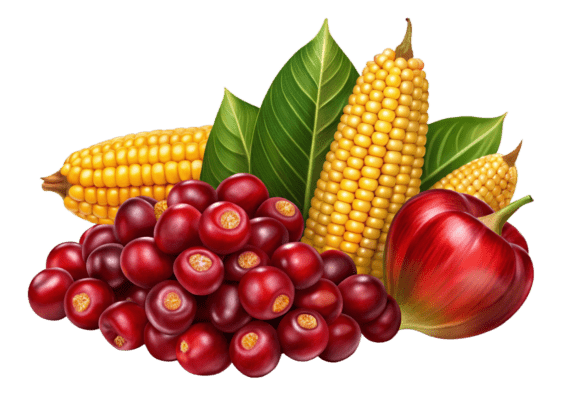
Cranberry with Leaves on Transparent
As a designer who spends more time than I care to admit staring at stitch charts and testing thread tension, I have learned that the difference between a good embroidery project and a great one often comes down to the source file. You can have the best machine in the world and the finest cotton fabric, but if your machine embroidery design lacks clarity or proper contrast, the final result will look muddy and unprofessional. This is exactly why I decided to put Cranberry with Leaves on Transparent through its paces before recommending it for any client work or small business inventory.
The product description highlights that these are high-quality PNG files on a transparent background, suitable for various purposes including POD products, t-shirts, fabric, phone cases, homeware patterns, pillows, bags, mugs, stickers, and digital graphics. While the description lists a wide array of applications, my focus as an embroidery reviewer is strictly on how this digital embroidery file translates from a flat image into a tactile, stitched reality. Does the visual personality of the cranberries and leaves hold up when converted to thread? Let’s dive into the practical realities of using this design.
First Impressions: Mood and Visual Personality
When you first load Cranberry with Leaves on Transparent into your digitizing software, the immediate takeaway is its organic, slightly rustic charm. The color palette—deep reds and vibrant greens—naturally evokes feelings of autumn, harvest, warmth, and comfort. It is not a minimalist, modern geometric shape; rather, it feels like a hand-painted illustration captured in a vector format. For designers looking to add a touch of nature-inspired elegance to their handmade product lines, this mood is incredibly versatile.
The layout appears balanced, with the cluster of berries suggesting abundance and the leaves providing necessary negative space and flow. In terms of visual appeal, this design avoids being overly busy. It has enough detail to look intricate when stitched but retains enough simplicity to remain legible even after multiple washes. This balance is crucial for commercial embroidery because customers tend to trust designs that look intentional and clean, rather than cluttered or rushed.
Real-World Application: Where This Design Shines
I envision Cranberry with Leaves on Transparent fitting seamlessly into several specific niches within the craft and small business markets. Let’s look at a few real-life scenarios where this design could significantly boost the perceived value of a finished item.
- Custom Apparel and Sweatshirts: Imagine a cozy, oversized cream-colored sweatshirt featuring this design centered on the chest or placed subtly on the back yoke. The contrast between the dark cranberry tones and the light fabric would make the sweatshirt embroidery pop beautifully. It fits perfectly into fall and winter collections, appealing to buyers looking for seasonal, heartfelt apparel.
- Kitchen and Home Decor: This design is a natural fit for kitchen textiles. Picture it embroidered on a linen tea towel, a canvas tote bag, or even a pillow cover for a dining room chair. The "homeware patterns" aspect mentioned in the product details suggests it works well as part of a set. If you are an Etsy seller creating matching gift sets, this design provides a cohesive theme that ties different items together.
- Personalized Gifts and Holiday Items: Cranberries are strongly associated with holidays, particularly Thanksgiving and Christmas. Using this design for holiday embroidery projects allows you to create personalized gifts that feel warm and traditional. A baby onesie with this motif could serve as a unique holiday outfit, while an embroidered patch on a cap could make a festive accessory for adults.
- Boutique Branding: For small shop owners, consistency is key. If your brand leans towards natural, organic, or farm-to-table aesthetics, incorporating botanical elements like cranberries helps reinforce that identity. When used on tags, labels, or main merchandise, it signals to the customer that attention was paid to the design assets.
Technical Considerations and Stitch Clarity
While the visual concept is strong, translating a PNG illustration into a functional embroidery project requires careful technical judgment. Since the source is described as a PNG graphic, you must consider how the digitizer (or your own digitizing process) interprets the shapes.
Stitch Density and Detail: Cranberries are round and dense. If the digitization uses too much stitch density, the fabric may pucker, especially on lighter materials. Conversely, if the details are too sparse, the berries might look flat. You need to inspect the small details closely. Are the leaves defined by clear running stitch outlines or filled with fill stitch? A mix of satin stitch for outlines and fill stitches for the bodies usually yields the most professional look, adding texture and depth.
Thread Color Contrast: The success of this design relies heavily on thread selection. On dark fabrics, the cranberry reds may get lost unless you use a bright, saturated thread or apply a stabilizing underlay. On light fabrics, the contrast should be excellent. Always test your thread colors against your actual fabric swatches. What looks good on a screen might look dull in person due to lighting differences.
Where to Use Carefully
Not every surface is suitable for this level of detail. There are specific situations where Cranberry with Leaves on Transparent might struggle:
- Small Hoop Sizes: If you are working with very small hoops (under 4x4 inches), the leaves and individual berries may become indistinguishable blobs. Keep the design scaled appropriately so each element has room to breathe.
- Textured or Stretchy Fabrics: Embroidering on thick fleece, heavy denim, or highly stretchy jersey can distort the delicate leaf shapes. These fabrics require a strong stabilizer and possibly a tear-away backing to prevent shifting. If the fabric is too textured, the fine lines of the leaves may get lost in the weave.
- Curved Surfaces: Applying this design to curved items like baseball caps or fitted hats can be challenging. The flat nature of the PNG might not translate well to a curved surface without significant distortion. Flat surfaces like tote bags, aprons, and pillow covers are safer bets.
- Frequent Washing: If the finished product is intended for daily wear or frequent laundering, ensure the stitch density is secure. Loose threads or inadequate anchoring can lead to fraying around the berry clusters over time.
Practical Designer Notes for Success
Before you commit to mass production or selling this as a small shop product, follow these practical steps to ensure quality:
- Test on Scrap Fabric: Never assume a design will work perfectly on your final material. Stitch it out on the exact fabric you plan to use. Check for puckering, thread breaks, and color accuracy.
- Check Black and White Mockups: Convert your design preview to black and white. This helps you see the true contrast and structure of the design without the distraction of color. If the shapes merge together in grayscale, they might lack definition in thread.
- Inspect Small Details: Zoom in on the leaf veins and berry stems. Are they too thin? Will they break during stitching? Adjusting these details in your digitizing software can save you from ruined garments.
- Confirm Licensing: Although the description states "You Are Can Use For Any Purpose," always double-check the specific license terms. Ensure you have the right to sell physical items made from this design, especially if you are operating a craft business or listing on platforms like Etsy. Commercial rights vary, and protecting your intellectual property is essential.
- Use Proper Stabilizer: The choice of stabilizer can make or break the finish. For woven fabrics, a cut-away stabilizer is often best for durability. For knits, a tear-away or water-soluble stabilizer might be preferable depending on the desired hand-feel.
Final Verdict
Cranberry with Leaves on Transparent is a charming, versatile addition to any designer’s library. Its natural aesthetic and balanced composition make it ideal for custom apparel, home decor, and seasonal gifts. However, its success depends entirely on proper execution. By paying attention to stitch density, fabric choice, and licensing, you can transform this digital graphic into a high-value finished product that customers will love.
For embroidery designers and makers looking to expand their offerings with a touch of organic beauty, this design is a solid choice. Just remember: the file is only half the battle. Your skill in preparation and execution is what turns a simple PNG into a treasured handmade item.